NATIONAL SECURITY OR POLITICAL STORM? THE SPEECH THAT SHOOK BRITAIN AND IGNITED A FIERCELY DIVIDED PUBLIC DEBATE IN 2026
A fiery speech delivered in the heart of London has ignited a nationwide debate, raising urgent questions about public safety, immigration policy, and whether political leaders are telling the full story.
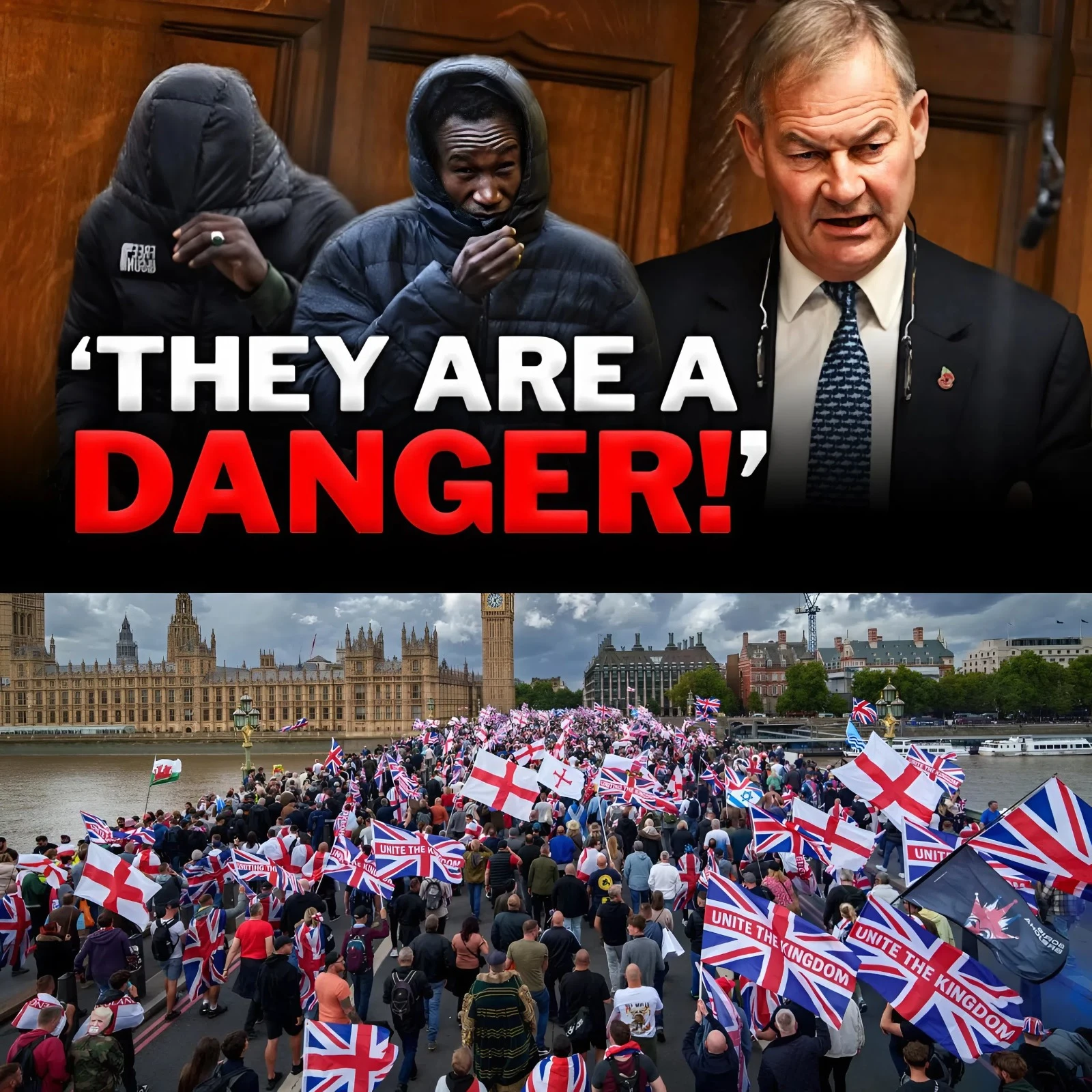
The speaker, a prominent voice in current political discourse, framed the situation as a national security concern, arguing that existing systems are struggling to maintain control under growing pressure.
His words spread rapidly across social media platforms, drawing millions of views within hours, as supporters and critics clashed over the accuracy, tone, and implications of his dramatic claims.
At the center of the controversy lies a familiar but increasingly heated question, how should modern societies balance security, openness, and fairness in an era of rapid global movement and uncertainty.
Supporters of the speech argue that it reflects genuine concerns felt by many citizens, particularly those who believe their communities have changed faster than institutions can effectively respond or adapt.
They point to reports of strained services, local tensions, and a perceived gap between official messaging and lived experience, suggesting that uncomfortable truths are being avoided in public discussions.
Critics, however, warn that such framing risks oversimplifying complex issues, potentially fueling fear and mistrust by focusing on selective narratives rather than comprehensive evidence and broader context.

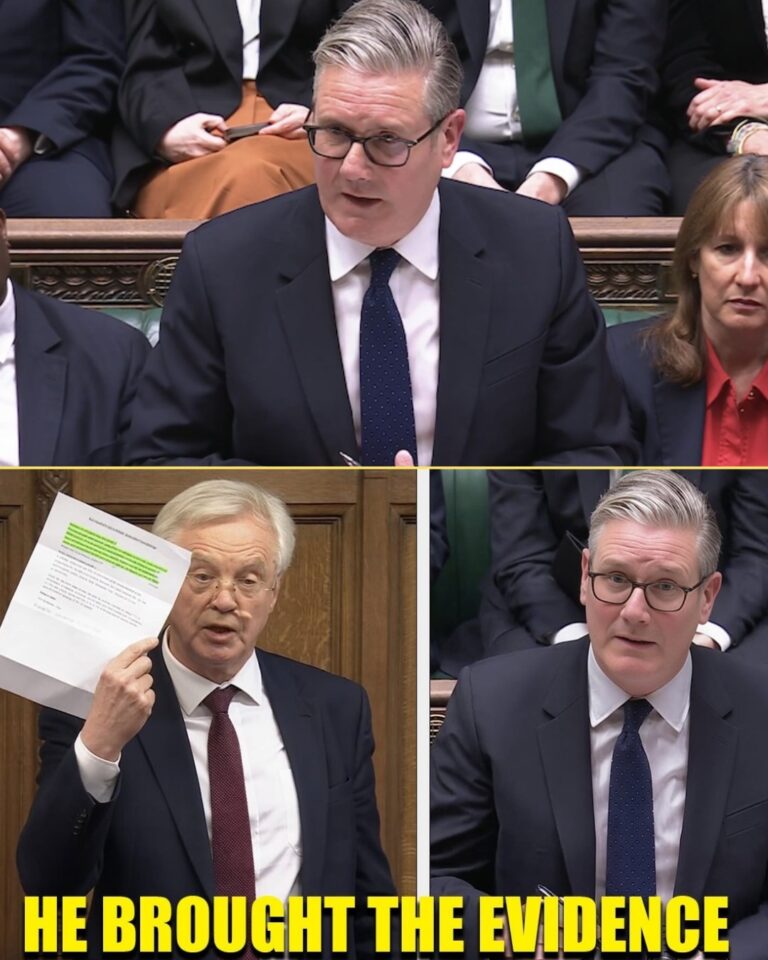
Within United Kingdom, political figures including Keir Starmer have faced increasing pressure to respond clearly, addressing both the concerns raised and the tone in which they are presented.
Parliamentary debates following the speech became notably intense, with MPs challenging one another over data interpretation, policy effectiveness, and the responsibility of leaders to communicate carefully during sensitive moments.
Some demanded greater transparency, calling for detailed information on migration patterns, crime statistics, and resource allocation, while others emphasized the need to avoid drawing conclusions without full context.
This clash reflects a deeper divide in political communication, where urgency and caution often collide, shaping how issues are presented and how the public ultimately understands them.
Media coverage has played a decisive role, with different outlets highlighting different aspects of the story, from the emotional intensity of the speech to the factual basis of the claims made.
In some cases, headlines have amplified the most dramatic elements, while in others, analysis has focused on verifying or challenging the underlying data, creating a fragmented information landscape.
Social media, meanwhile, has accelerated the spread of simplified narratives, where short clips and bold statements gain traction faster than nuanced explanations, influencing public perception in powerful ways.
For many viewers, the question is no longer just about policy, but about trust, specifically whether institutions are providing a complete and accurate picture of current challenges facing society.

Trust, once eroded, can be difficult to rebuild, and moments like this often become defining, shaping how future statements are received and whether audiences approach them with confidence or skepticism.
Experts in public policy stress that issues related to safety and migration are inherently complex, involving legal frameworks, international agreements, and socioeconomic factors that resist simple solutions.
They caution against drawing direct conclusions from isolated data points, emphasizing the importance of comprehensive analysis that considers trends over time and variations across different regions.
At the same time, they acknowledge that perception matters, and that feelings of insecurity, whether statistically supported or not, can have real consequences for community cohesion and political stability.
This dual reality creates a challenging environment for leaders, who must address both measurable conditions and public sentiment, often under intense scrutiny and limited time to respond effectively.
Community voices add another layer to the discussion, with individuals sharing personal experiences that either reinforce or contradict broader narratives, further complicating attempts to reach consensus.
Some residents describe feeling safer and more connected than ever, while others report increased anxiety, illustrating how experiences can differ significantly even within the same geographic areas.
These contrasting perspectives highlight the difficulty of crafting policies that address diverse needs while maintaining fairness and avoiding unintended consequences that could exacerbate existing tensions.
As the debate continues, attention has turned to data itself, with calls for clearer, more accessible information that allows the public to engage with evidence rather than relying solely on interpretation.
Transparency, many argue, is essential not only for informed decision-making but also for rebuilding confidence in institutions that are increasingly viewed through a lens of suspicion.
Yet transparency alone may not resolve deeper divisions, as individuals often interpret the same information differently based on prior beliefs, values, and levels of trust in various sources.
This dynamic underscores the importance of communication, not just what is said, but how it is said, and whether it encourages understanding or reinforces division among different segments of society.
Observers note that speeches like this often act as catalysts, bringing underlying tensions to the surface and forcing conversations that might otherwise remain fragmented or unaddressed.
Whether those conversations lead to constructive outcomes depends on the willingness of all parties to engage beyond rhetoric, focusing on solutions rather than solely on points of disagreement.
In the current climate, that challenge is significant, as political incentives and media dynamics often reward strong statements over careful deliberation, shaping the tone of public discourse.
For citizens, the task becomes navigating this environment critically, evaluating sources, questioning assumptions, and recognizing the complexity behind issues that are frequently presented in simplified terms.
The events surrounding this speech are unlikely to fade quickly, as they tap into broader concerns that extend beyond any single statement or policy proposal, reflecting deeper societal shifts.

And as those shifts continue to unfold, the conversation they have sparked will remain central, influencing not only political decisions but also how communities understand themselves and their shared future.