SHOCKWAVES IN BRITISH POLITICS: THE RISE OF THE RESTORE BRITAIN MOVEMENT — RUP3RT L0WE
A political storm has swept across the United Kingdom, as a newly formed movement has captured national attention with unprecedented speed, igniting fierce debate about leadership, policy, and the future direction of the country.
In just fifteen days, the Restore Britain movement has reportedly surged to over 100,000 members, creating a wave of momentum that many analysts say rivals or even surpasses previous political mobilizations.
This rapid expansion has stunned observers, who are now scrambling to understand how a movement with minimal institutional backing could grow so quickly and command such widespread attention across multiple regions.
Supporters describe the rise as a long-awaited awakening, claiming that ordinary citizens are finally finding a platform to express frustrations that have been building for years beneath the surface.
Critics, however, warn that sudden surges in political movements often reflect emotional reactions rather than sustainable strategies, raising questions about long-term viability and policy coherence.
The movement’s early polling numbers, reportedly reaching around seven percent nationally, have further intensified the conversation, signaling that its influence may already be extending beyond grassroots enthusiasm into measurable political impact.

Political commentators note that such a rapid ascent can disrupt established parties, forcing them to reassess messaging, priorities, and engagement strategies in response to shifting public sentiment.
At the center of the discussion is the movement’s leadership, which has become a focal point for both admiration and scrutiny as its visibility continues to grow.
Observers highlight the role of clear messaging and strategic communication, suggesting that the movement has successfully tapped into existing concerns while presenting itself as a fresh alternative to traditional political structures.
Social media has played a critical role in amplifying the movement’s reach, enabling rapid dissemination of ideas, recruitment efforts, and real-time engagement with supporters across the country.

Digital platforms have allowed organizers to bypass traditional media channels, creating a direct connection with audiences and fostering a sense of participation among members.
This approach has contributed to a sense of urgency and momentum, with supporters feeling that they are part of a rapidly growing and potentially transformative movement.
At the same time, analysts caution that digital amplification can sometimes create the illusion of broader support, emphasizing the importance of distinguishing between online engagement and sustained political influence.
The movement’s focus on key policy areas has also sparked intense discussion, particularly in relation to national identity, economic priorities, and governance.
Supporters argue that these issues have been neglected or mishandled by established parties, and that a new approach is necessary to address ongoing challenges effectively.

Opponents counter that complex policy areas require nuanced solutions, warning against oversimplification and the risks of pursuing rapid change without comprehensive planning.
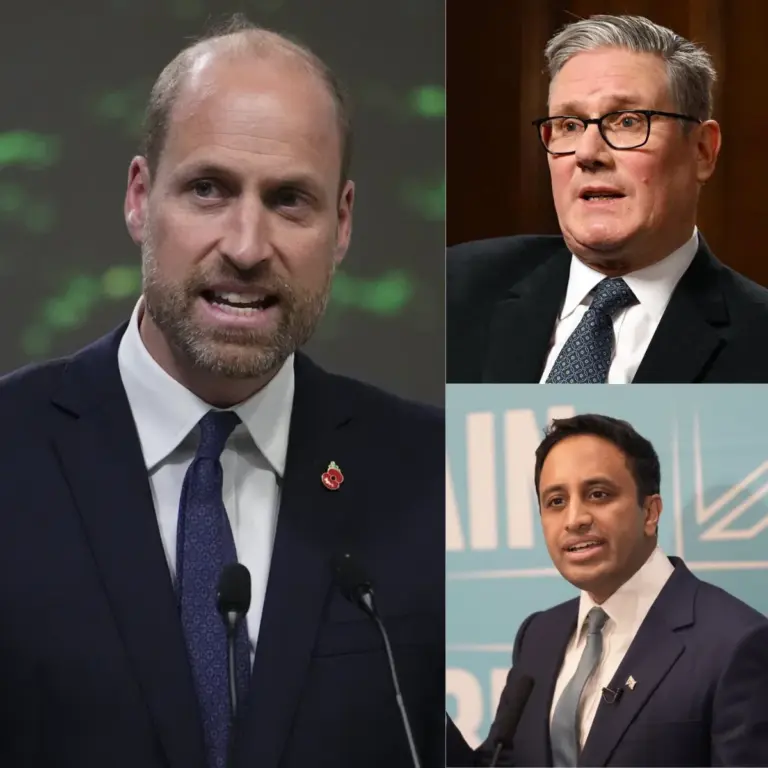
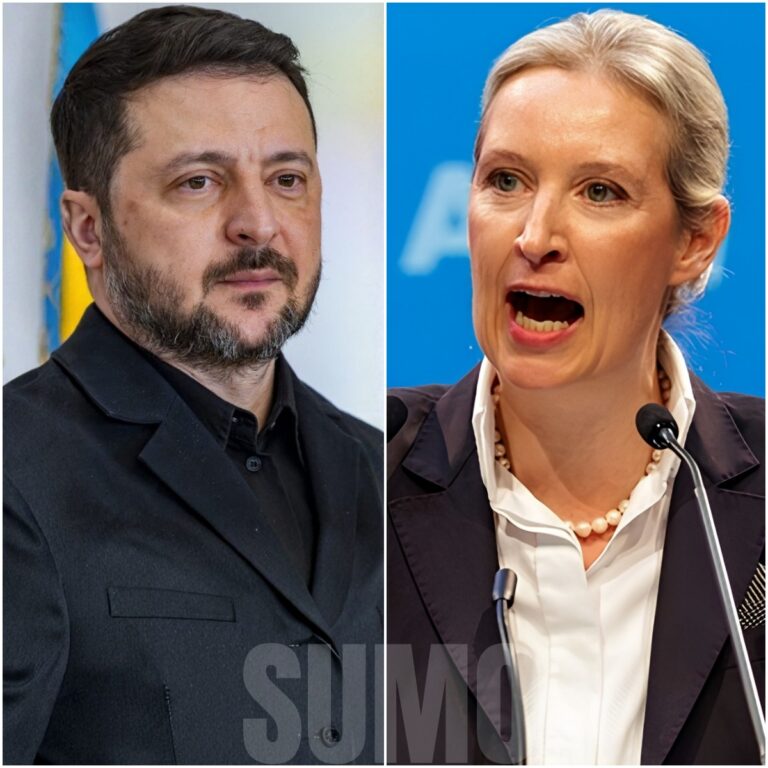
The involvement of high-profile figures expressing interest or support has further elevated the movement’s visibility, drawing international attention and adding another layer to the unfolding narrative.
Such endorsements can amplify credibility among some audiences while raising concerns among others about influence, motivation, and the broader implications for domestic politics.
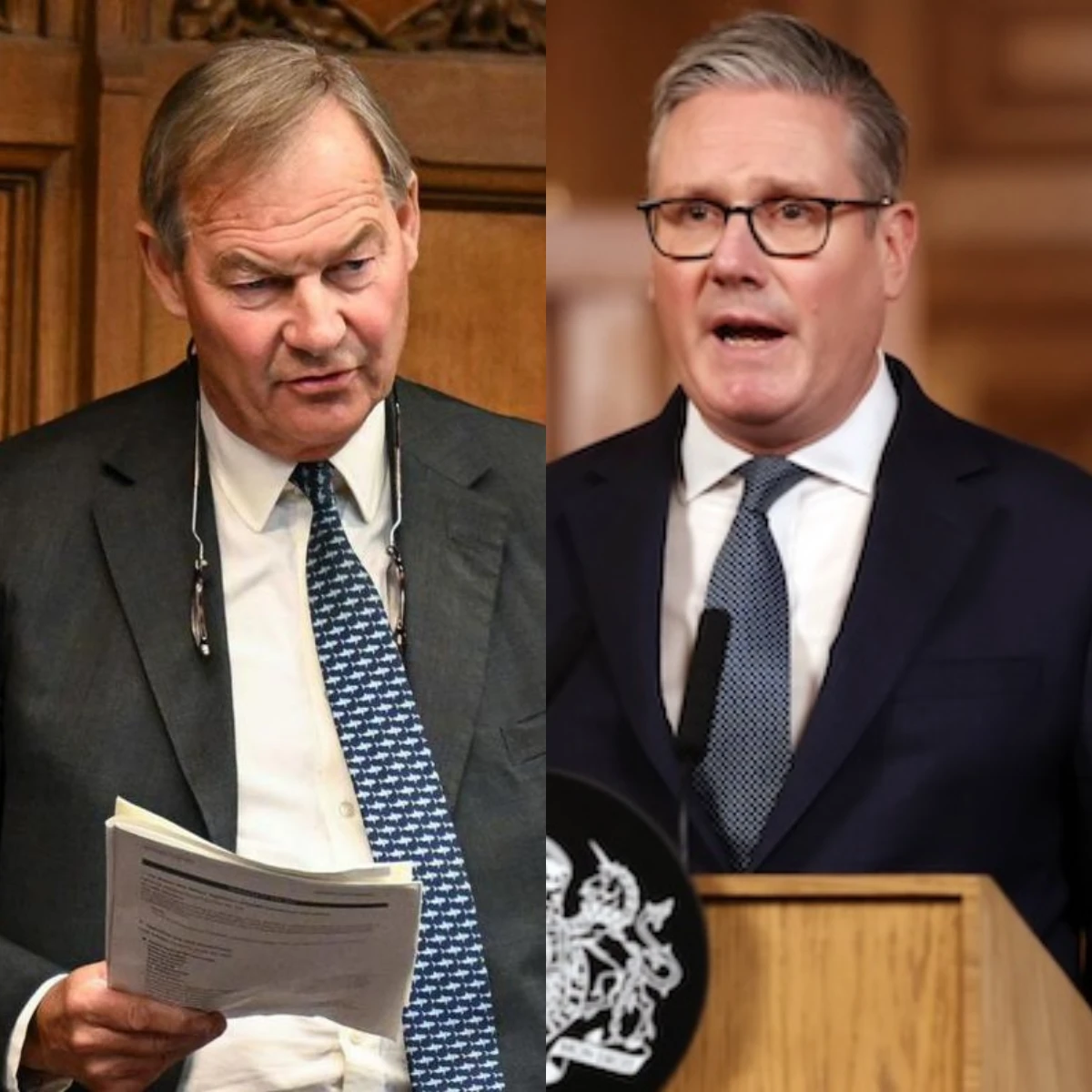
The reaction from established political parties has been swift, with leaders acknowledging the movement’s rise while emphasizing their own commitment to addressing public concerns.
Some parties have begun adjusting their messaging, seeking to reconnect with voters and counter the appeal of emerging alternatives that challenge the status quo.
Political analysts suggest that this dynamic reflects a broader pattern in democratic systems, where new movements can disrupt existing alignments and create opportunities for change.
The question remains whether the current surge represents a lasting shift or a temporary moment driven by specific circumstances and heightened public attention.
Public opinion appears divided, with some citizens expressing enthusiasm for new voices and others urging caution, emphasizing the need for stability and thoughtful decision-making.

This division is reflected in online discussions, where debates about the movement’s goals, leadership, and potential impact continue to evolve rapidly.
Media coverage has played a significant role in shaping perceptions, with headlines emphasizing both the scale of the growth and the uncertainty surrounding its future trajectory.
Experts highlight the importance of examining underlying factors that contribute to such rapid rises, including economic conditions, social dynamics, and perceptions of political responsiveness.
They note that moments of significant change often emerge from a combination of long-term trends and immediate catalysts that bring existing concerns into sharper focus.
The movement’s supporters emphasize its grassroots origins, portraying it as a genuine expression of public sentiment rather than a top-down initiative driven by established institutions.
Critics question this narrative, suggesting that all political movements require organization, strategy, and resources, and that understanding these elements is essential for evaluating credibility.
The ongoing debate reflects broader questions about representation, trust, and the effectiveness of traditional political systems in addressing contemporary challenges.
Observers note that trust in institutions plays a crucial role in shaping public responses to new movements, influencing whether they are embraced, questioned, or resisted.
As discussions continue, attention remains focused on how the movement will evolve, including its ability to translate early momentum into structured policies and sustained engagement.
The coming months are likely to be critical, as the movement faces the challenges of maintaining cohesion, managing expectations, and responding to increased scrutiny from both supporters and critics.
Political commentators suggest that the true test of any movement lies not only in its initial surge but in its capacity to adapt, refine its message, and deliver tangible outcomes.
At the same time, established parties must navigate their own challenges, balancing the need to respond to emerging competition with the responsibility of maintaining consistent and effective governance.
The interaction between new and existing political forces creates a dynamic environment, where ideas are contested, alliances are reconsidered, and public engagement becomes increasingly important.
This environment can foster innovation and renewal, but it also requires careful management to ensure that debates remain constructive and focused on addressing real-world issues.
The rise of the movement has also prompted reflection on the role of leadership, communication, and vision in shaping political trajectories and influencing public perception.
Observers emphasize that clear articulation of goals and values is essential for building trust and sustaining support over time.
As the story unfolds, it continues to capture the attention of citizens, analysts, and policymakers alike, highlighting the enduring relevance of political participation and civic engagement.
The intensity of the discussion demonstrates that the public is actively engaged in shaping the future, seeking to influence decisions and hold leaders accountable.
Ultimately, the rapid rise of the Restore Britain movement raises fundamental questions about change, continuity, and the evolving nature of political systems in the modern era.
Is this the beginning of a lasting transformation, or a moment that will be absorbed into the ongoing evolution of democratic processes?