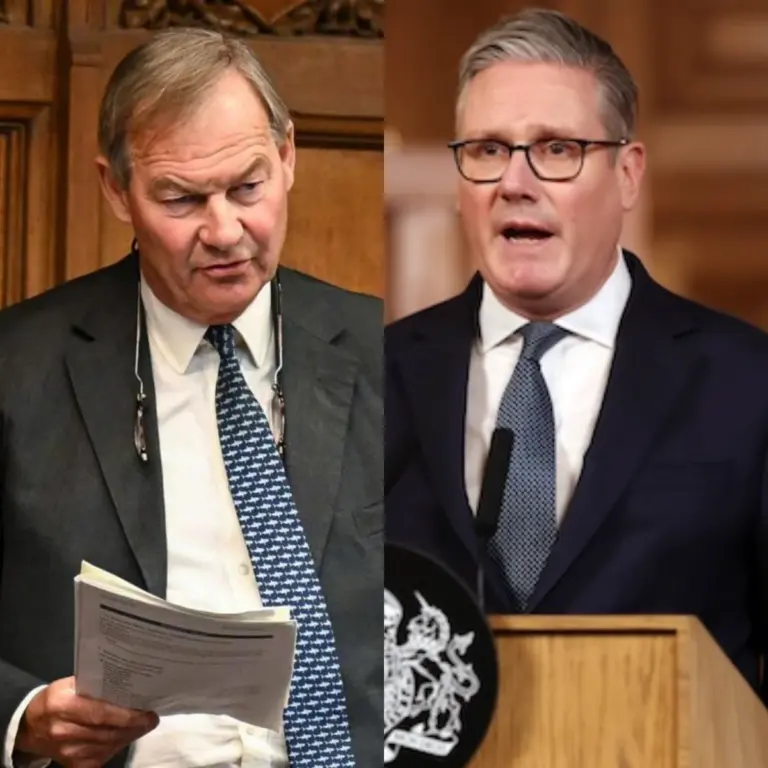
Parliament has just exploded! 🏛️ Rupert Lowe’s inflammatory demand to deport all Muslims
Westminster Erupts — A Fiery Clash Over Immigration, Identity, and the Limits of Political Rhetoric
Inside the House of Commons, a moment of intense confrontation has ignited one of the most heated political debates in recent memory across the United Kingdom.
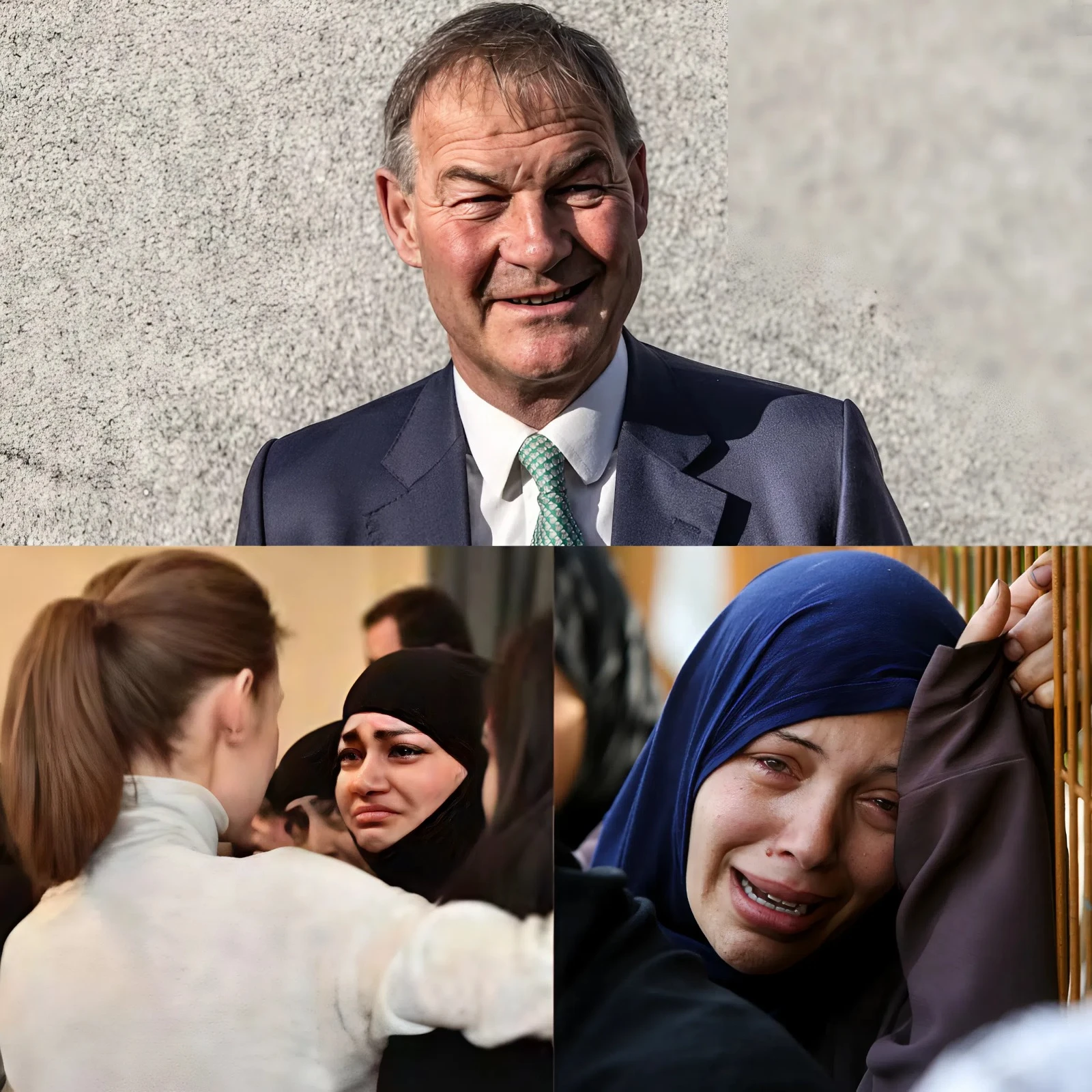
What unfolded was not simply another disagreement between opposing sides, but a flashpoint revealing deeper fractures in how the nation is grappling with questions of identity, policy, and coexistence.
The remarks attributed to Rupert Lowe quickly spread beyond the chamber, triggering immediate reactions from political figures, advocacy groups, and the public at large.
For some, the language used represented a breaking point, a moment where political discourse crossed into territory that demands serious reflection about tone and responsibility.
Others framed the incident as evidence of growing frustration, arguing that strong rhetoric reflects deeply held concerns that have not been adequately addressed through conventional channels.
This divergence in interpretation has intensified an already polarized environment, making constructive dialogue increasingly difficult to sustain.
Within Parliament, responses were swift and varied, with members expressing both condemnation and calls for broader discussion about the issues underlying the controversy.
The exchange highlighted the challenges of balancing freedom of speech with the need to maintain respectful and inclusive discourse within democratic institutions.
Such challenges are not unique to this moment, but they have become more visible as political debates grow sharper and more emotionally charged.
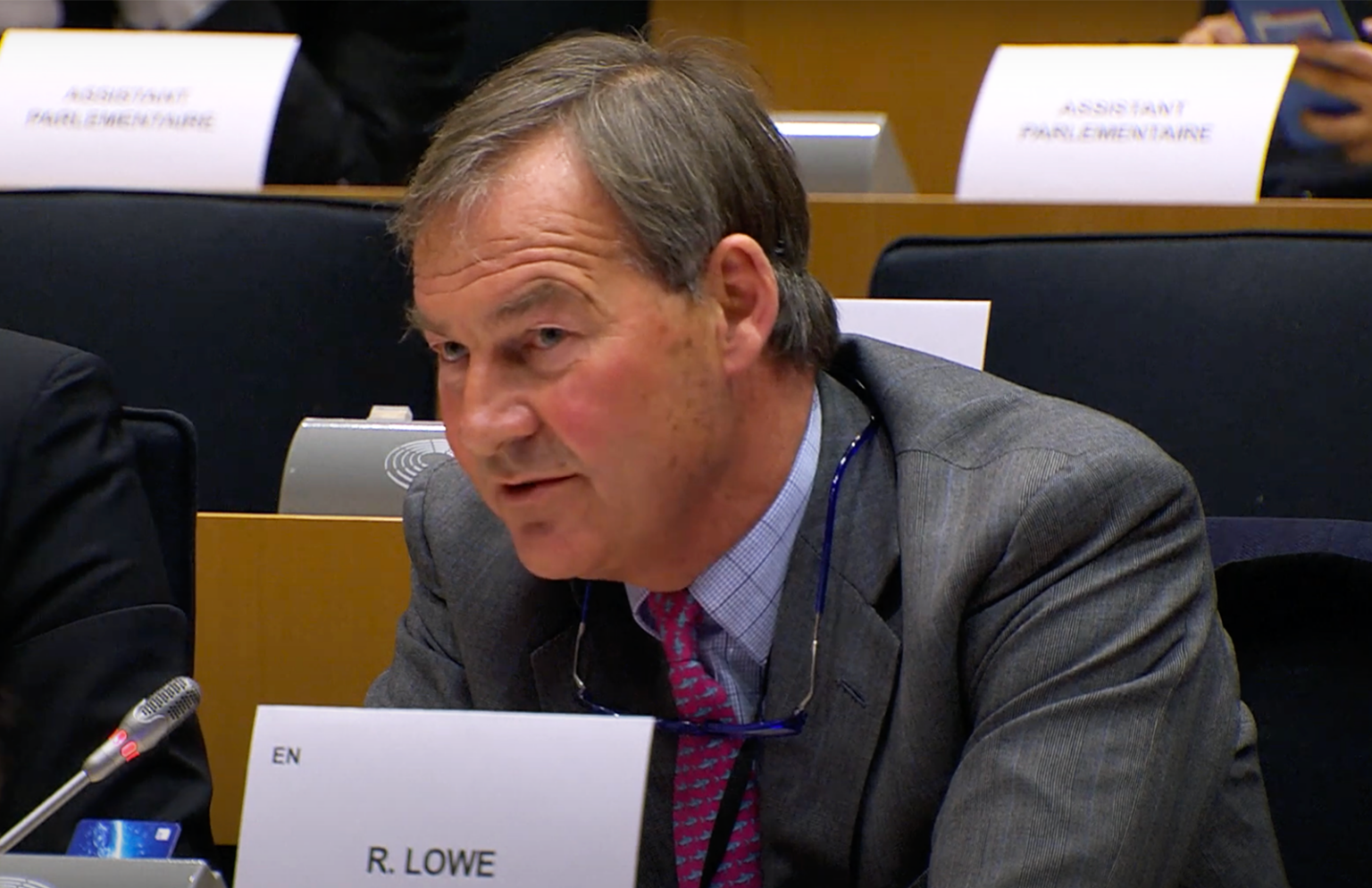
Outside Westminster, the reaction was equally intense, with demonstrations, statements, and online discussions reflecting a wide spectrum of opinions.
These reactions underscore the interconnected nature of modern political engagement, where events in one location can rapidly influence conversations across the entire country.
Media coverage played a significant role in amplifying the situation, with headlines and clips focusing on the most dramatic aspects of the confrontation.
While this coverage brings attention to important issues, it can also contribute to a sense of crisis that shapes how events are perceived by the public.
Social media further accelerates this dynamic, enabling rapid sharing of information and opinions that can both inform and inflame.
In such an environment, distinguishing between measured analysis and эмоциональная реакция becomes increasingly challenging for audiences seeking to understand the situation.
The broader context of the debate includes ongoing discussions about immigration policy, integration, and the responsibilities of government in addressing complex social issues.
These discussions involve multiple perspectives, each emphasizing different priorities and proposing different approaches to policy and governance.
Some advocate for stricter controls and clearer frameworks, arguing that such measures are necessary to ensure stability and cohesion.
Others emphasize the importance of inclusivity and the protection of individual rights, warning against policies that may lead to exclusion or discrimination.
Balancing these perspectives is a central challenge for policymakers, requiring careful consideration of both principles and practical outcomes.
The events in Westminster have brought these issues into sharper focus, prompting renewed attention to how they are debated and addressed.
They also raise questions about the role of political leadership in shaping discourse, particularly in moments of heightened tension.
Leadership involves not only decision-making, but also setting the tone for how disagreements are expressed and resolved.
Constructive leadership can help create space for dialogue, while divisive rhetoric may deepen existing divisions and hinder progress.
As the situation continues to evolve, the focus will likely remain on finding ways to navigate complexity without resorting to simplification or escalation.
This requires engagement from multiple stakeholders, including political leaders, institutions, and the public, each contributing to the broader conversation.
Public trust is a critical factor in this process, influencing how policies and statements are received and interpreted.
Maintaining that trust depends on transparency, accountability, and a willingness to engage with differing perspectives in meaningful ways.
The current moment also highlights the importance of institutional resilience, as democratic systems are tested by intense and sometimes contentious debates.
Such resilience is built through adherence to principles, effective processes, and the capacity to adapt to changing circumstances.
At the same time, the role of education and public awareness should not be overlooked, as informed citizens are better equipped to engage with complex issues.
Encouraging critical thinking and respectful dialogue can contribute to a more constructive environment, even in the face of disagreement.
The international dimension adds another layer to the discussion, as similar debates are taking place in other countries, each with its own context and challenges.
Comparing these situations can provide valuable insights, but it is important to consider local factors when evaluating different approaches.
Ultimately, the events in Westminster serve as a reminder of the power of words and the impact they can have on public discourse and social cohesion.
They underscore the need for careful consideration of how issues are framed and discussed, particularly in highly visible and influential settings.
As the debate continues, it will be shaped by ongoing developments, public reactions, and the responses of those in positions of leadership.
The outcome remains uncertain, but the significance of the moment is clear, reflecting broader challenges that extend beyond a single incident.
In navigating these challenges, the goal should be to foster dialogue that contributes to understanding and progress rather than division.
This is not an easy task, but it is an essential one for societies seeking to address complex issues in a constructive and inclusive manner.