BREAKING: London Mayor CLASHES With Trump Claims — Message Sparks MAJOR BACKLASH
The historic halls of the Foreign, Commonwealth & Development Office (FCDO) are usually home to the hushed tones of international compromise. This week, however, they served as the backdrop for a blistering counter-offensive in a war of words that has spanned the Atlantic. Sadiq Khan, the Mayor of London, stood before an assembly of ambassadors and high commissioners to deliver a message that was as much a provocation as it is a defense: London is not the “no-go zone” described by his detractors, but rather a city under siege by a “propaganda machine” spearheaded by President Donald Trump.
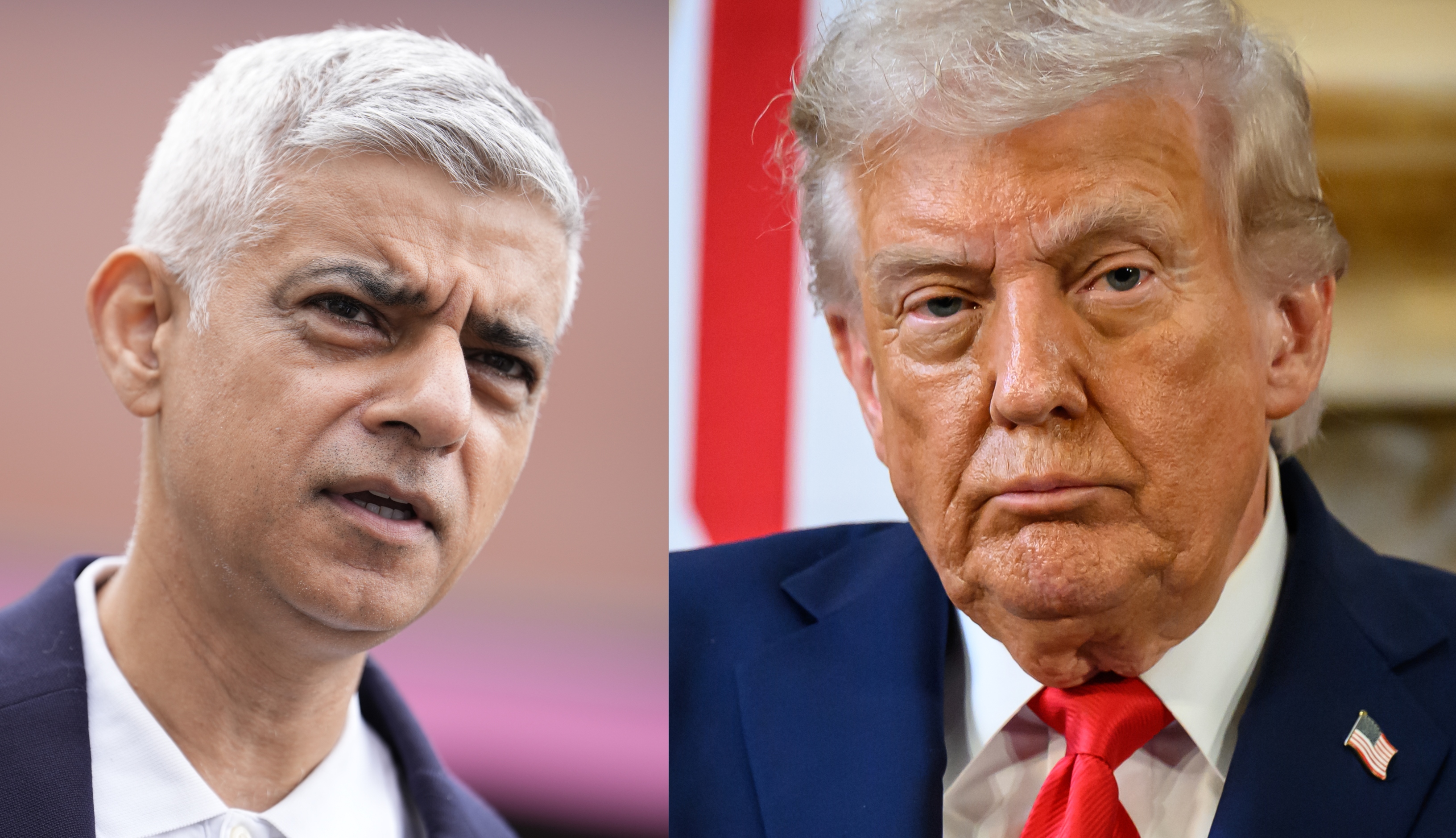
The friction between the Mayor and the President is a long-running saga of ideological antipathy, but it has reached a new, jagged peak in 2026. Mr. Khan’s accusation—that Mr. Trump is utilizing “misinformation, disinformation, and lies” to paint London as a den of crime—comes at a moment when the UK capital’s global reputation is being debated not in policy papers, but in viral, vertically-shot videos on X and TikTok. For Mr. Khan, the narrative of a “fallen city” is a “nativist, populist” fantasy; for a growing segment of the British public, it is a daily, lived reality.

Central to the Mayor’s defense is a statistical gamble. He asserted that London remains “far safer” than any major American city, citing record numbers of Americans arriving to study, invest, and live in the capital. To Mr. Khan, the “impression” that London isn’t safe is a byproduct of algorithms designed to amplify hate and clickbait. He pointedly criticized “mono-ethnic populists” who he claims have a fundamental problem with a “progressive, diverse, and successful city.” It was an attempt to frame the crime debate as a struggle between modern inclusivity and archaic prejudice.

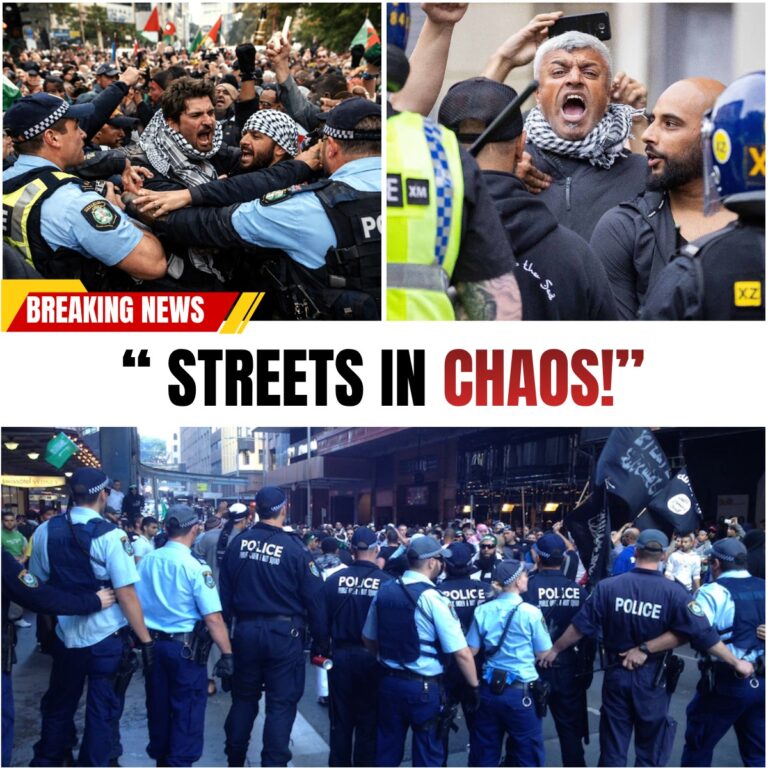
However, the Mayor’s “blanket denial” has collided with a digital insurrection of raw footage. On the streets of South London, particularly in areas like Clapham, the reality of “a normal British afternoon” has become a flashpoint for national outrage. Viral videos showing groups of “hooded hordes” swarming high streets, forcing shopkeepers to pull down shutters and locals to “scatter,” have become the counter-evidence to the Mayor’s diplomatic assurances. To critics, these scenes are not “propaganda,” but the “predictable Friday night special” of a city where the police appear increasingly invisible.
The rhetoric surrounding these events has taken on a sharply demographic edge. The phrase “the enrichment experiment has failed” is no longer a fringe sentiment but a common refrain among those who feel that “lost safety and lost community” are the price of decades of rapid change. Critics of the Mayor argue that his focus on “global diplomacy” is a sign of “terrifying arrogance,” accusing him of acting like a head of state while his own capital struggles with a “frenzy” of violent crime. The list of recent headlines—fatalities in Plumstead, arrests in Hammersmith, and attacks near Westminster Abbey—serves as a grim tally that the Mayor’s office finds difficult to rebut.
This “crisis of perception” is what Mr. Khan sought to address at the FCDO, instructing diplomats to arm themselves with “the facts” to counter the influence of a presidential tweet or a TikTok post. He warned that if the “propaganda” isn’t countered, it will deter the very investment and tourism that London relies on. “Perception can be reality,” the Mayor admitted—a rare point of agreement with his critics, though they differ wildly on whose perception is the hallucination and whose is the truth.
Inside the “metropolitan bubble” of Westminster and City Hall, the Mayor’s diverse coalition remains largely intact. But outside that bubble, in the English towns and shires, the sentiment is shifting. Many English citizens now express a reluctance to even visit their own capital. “I don’t want to go to London anymore,” is a sentiment echoing across social media, often accompanied by the belief that the city has been “replaced street by street” until it no longer feels British. This sense of alienation is a potent political force that the Labour establishment has struggled to contain without resorting to labels of “far-right thuggery.”

The role of social media platforms in this divide cannot be overstated. Mr. Khan’s focus on “algorithms” reflects a government-wide anxiety about the loss of control over the national narrative. When the “mainstream media” is no longer the sole arbiter of truth, the Mayor is forced to compete with the “man on the ground” recording a crime in real-time. This democratization of information has created an environment where “nuance is lost,” but “demographic truth” is, in the eyes of the onlookers, staring them in the face.
The comparison with the United States—specifically New York—is a recurring theme in the Mayor’s rhetoric. By suggesting that London is a safer haven than its American counterparts, he is appealing to a sense of British exceptionalism. Yet, for the victim of a “summer rush hour attack” in West London, the fact that New York might have higher statistics is cold comfort. The “brass tacks” of the situation, as described by local activists, is that London is “simply terrifying” compared to what it was “back in the day.”
As the UK moves toward a period of intense political reflection, the “Sadi Khn vs. Donald Trump” feud serves as a proxy for the broader struggle over the future of the West. It is an argument between those who see diversity as an inherent strength and those who see it as a “failed experiment” that has compromised public safety. The Mayor’s job, as he sees it, is to “rebut the lies and the nonsense.” His critics’ job, as they see it, is to ensure the “adults in the room” admit the reality before the whole country reflects the chaos of a Clapham Friday night.
Ultimately, the battle for the “soul of London” will not be won in a foreign office briefing or on a social media feed. it will be decided on the high streets where the “bill keeps coming due.” Until the “perception” of safety matches the “reality” of the street, the Mayor’s diplomatic counter-offensive will likely be viewed by many as a “delusional” exercise in damage control. The city stands at a crossroads, and the world is watching to see which version of London—the “greatest city in the world” or the “failed experiment”—will ultimately define the decade.