BREAKING: Explosive Commons Clash as Keir Starmer LOSES His Cool — Slams Speaker’s Chair in Fury Tep
A dramatic moment inside the House of Commons has ignited a fierce national debate, after a heated exchange pushed tensions beyond routine political disagreement into something far more intense and widely discussed.
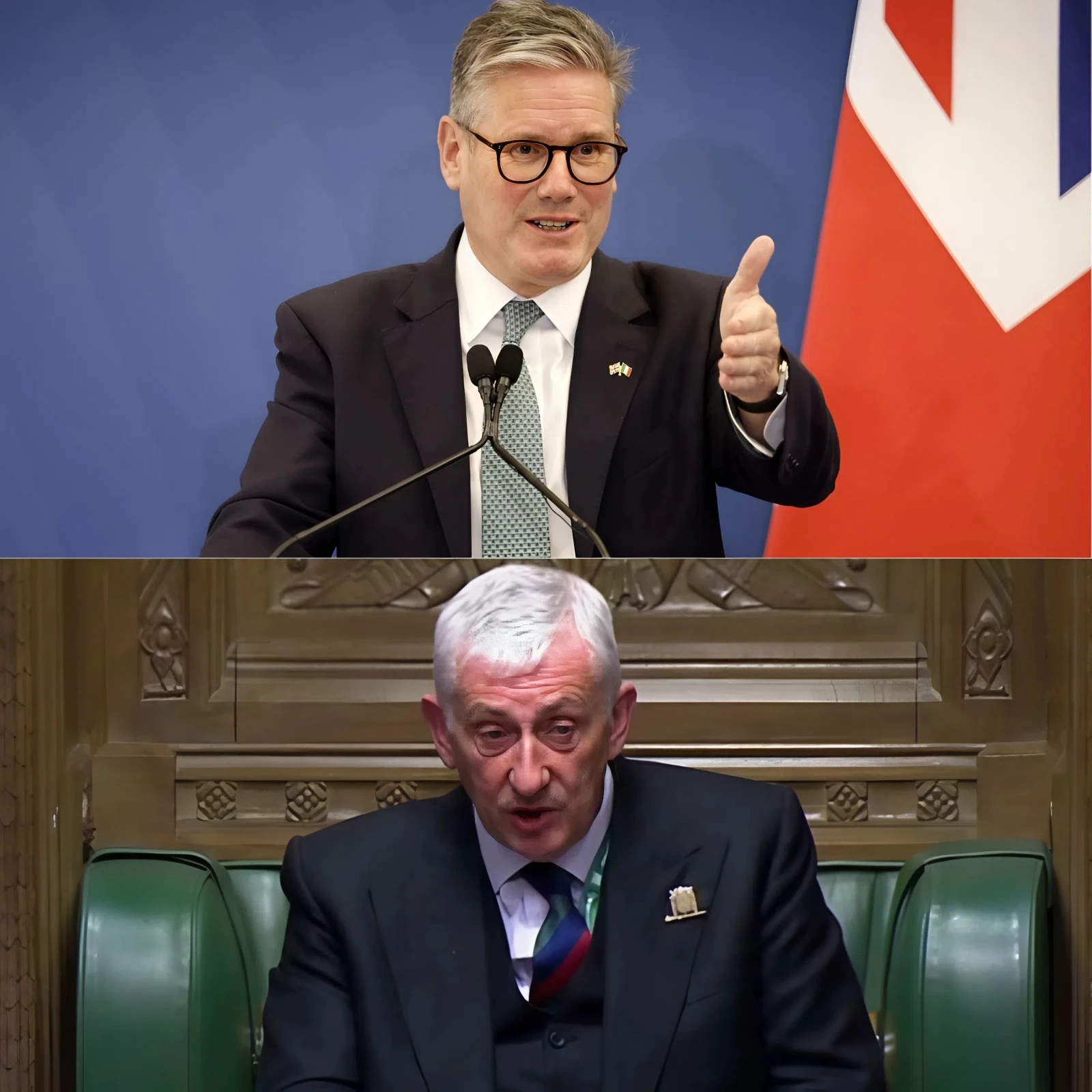
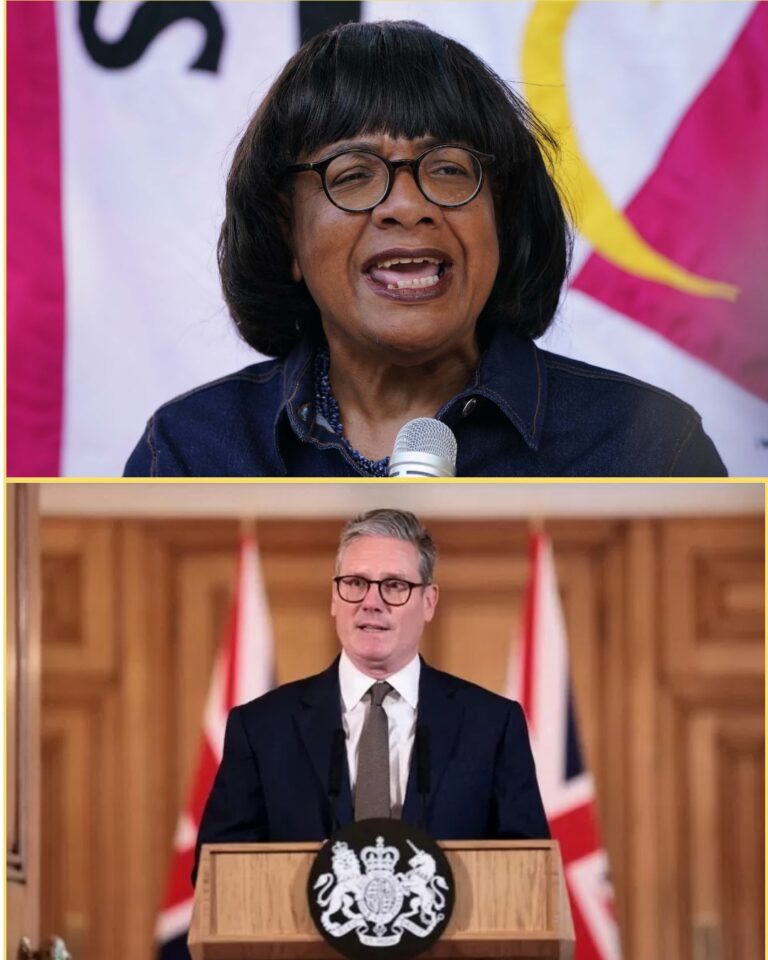
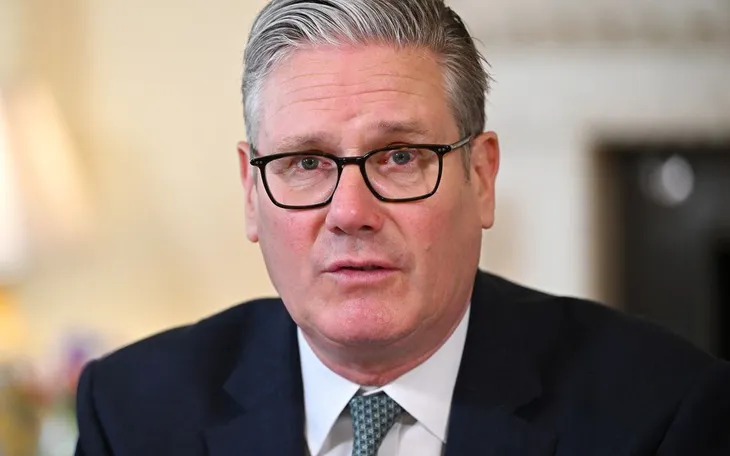
At the center of the storm stands Keir Starmer, whose reaction during questioning has become the defining image of a moment now replayed, analyzed, and debated across platforms and audiences.
The exchange unfolded during a session already charged with political pressure, where questions from Kemi Badenoch pushed the discussion into increasingly sharp territory.
Observers inside the chamber described a visible shift in tone, as what began as a structured exchange evolved into a more confrontational dynamic that drew attention from every corner of the room.
As voices rose and interruptions increased, the atmosphere became noticeably tense, reflecting the broader pressures currently shaping political discourse across the country.
When the exchange concluded, attention shifted rapidly as Starmer moved toward Lindsay Hoyle, initiating a moment that would soon dominate headlines and social media feeds.

Reports from those present describe a brief but intense interaction, with body language and tone becoming central to how the moment has been interpreted by different audiences.
One particular gesture has drawn the most attention, a physical expression of frustration that many have described as highly unusual within the formal setting of parliamentary proceedings.
For some observers, the moment represents a human reaction under extreme pressure, highlighting the demands placed on political leaders in highly visible and often adversarial environments.
Others see it as a concerning departure from expected standards of conduct, raising questions about the importance of maintaining composure within institutions that rely on order and mutual respect.
The reaction has been swift and widespread, with commentators offering sharply differing interpretations of what the moment signifies for leadership and political culture.
Supporters argue that intense scrutiny and constant challenge can lead to moments of visible frustration, suggesting that such reactions do not necessarily undermine overall leadership क्षमता or effectiveness.
Critics, however, contend that leadership is defined precisely by the ability to remain composed under pressure, particularly in settings that symbolize national governance and democratic stability.
This divergence in perspective has turned a brief interaction into a broader conversation about expectations, accountability, and the realities of modern political life.
Social media has amplified every aspect of the incident, with clips circulating rapidly and users adding their own interpretations, commentary, and emotional responses to the unfolding narrative.
In this environment, the visual impact of the moment often carries more weight than detailed context, shaping public perception in ways that can be difficult to fully balance or correct.
The incident also highlights the evolving relationship between politics and media, where moments that once remained within institutional walls now become immediate public spectacles.
This visibility increases both transparency and pressure, as actions are scrutinized not only by colleagues but by a national and global audience watching in real time.
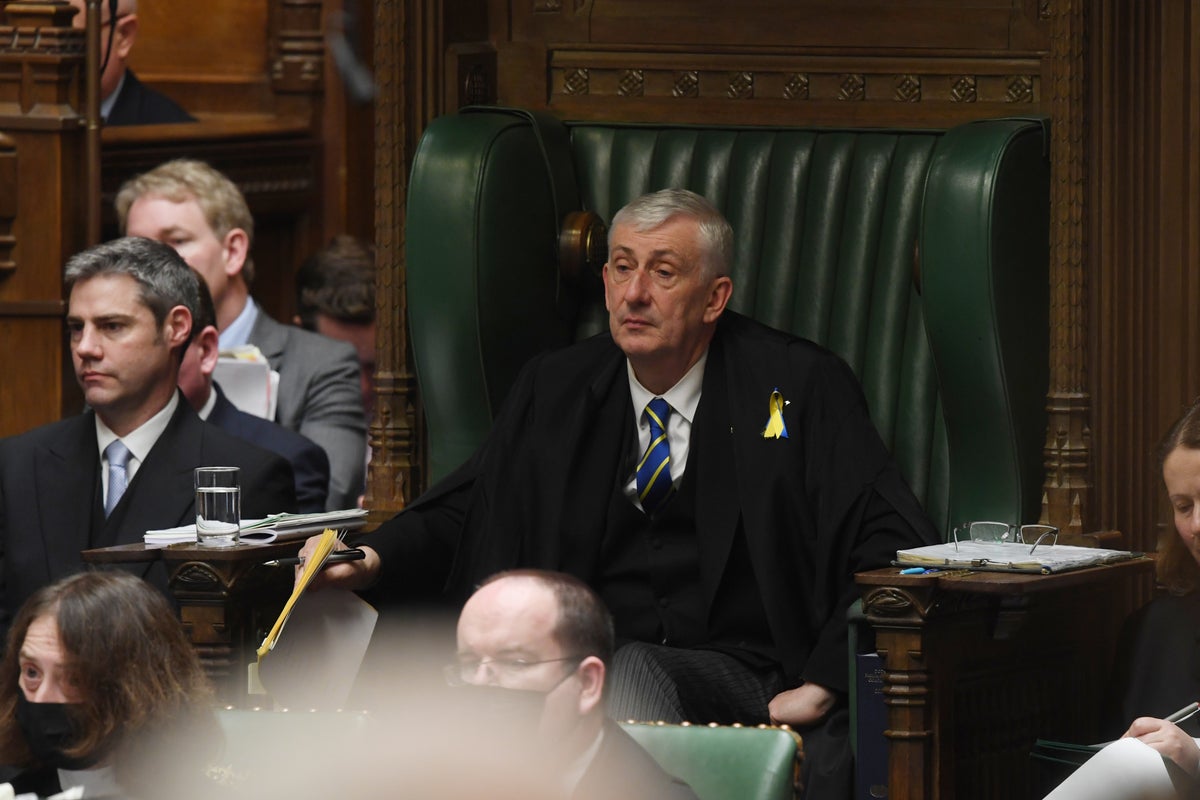
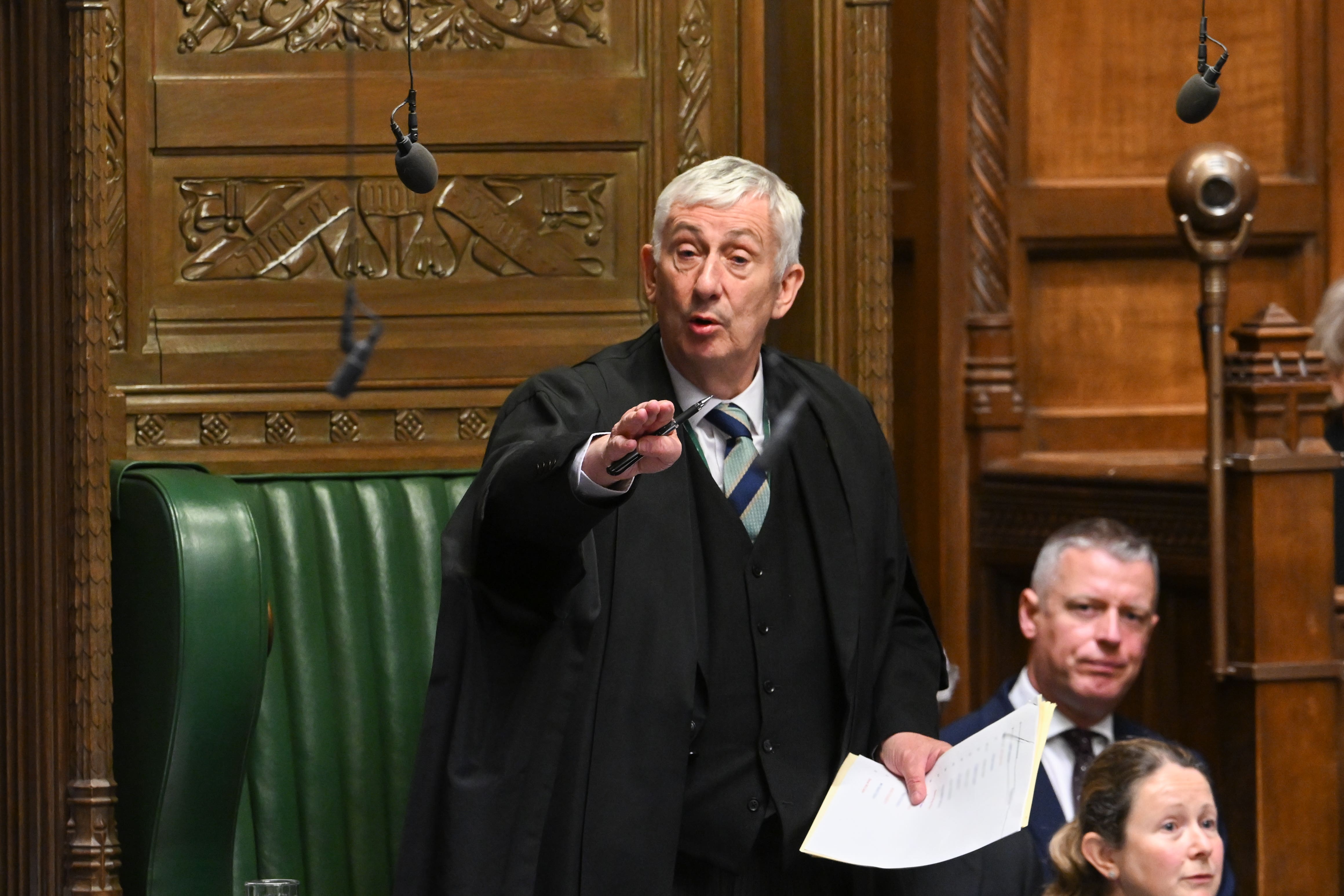
As the story develops, attention has also turned to the role of the Speaker, whose responsibility is to maintain order and ensure that proceedings remain within established rules and expectations.
The interaction between Starmer and Hoyle has therefore become a focal point, raising questions about authority, procedure, and the balance between control and expression in parliamentary settings.
Some analysts suggest that the moment reflects broader तनाव within the political system, where increasing polarization and high stakes contribute to more frequent and visible confrontations.
Others caution against overinterpreting a single event, noting that intense exchanges have long been part of parliamentary tradition, even if their presentation has changed in the digital age.
Nevertheless, the symbolism of the moment remains powerful, as it touches on fundamental ideas about leadership, discipline, and the tone of public debate in a democratic society.
Public प्रतिक्रिया has mirrored this complexity, with opinions divided not only along political lines but also according to individual expectations of how leaders should behave.
Some see authenticity in visible emotion, interpreting it as a sign of genuine engagement with the issues at hand and the pressures involved in addressing them.
Others emphasize the importance of restraint, arguing that visible frustration can undermine confidence and shift focus away from substantive policy discussions.
The timing of the incident adds another layer of significance, occurring at a moment when political tensions are already heightened and public trust is a موضوع of ongoing discussion.
In such a context, even small moments can take on greater meaning, influencing narratives about stability, effectiveness, and the overall direction of governance.
Media coverage continues to evolve, with different outlets emphasizing different aspects of the story, from the immediate confrontation to its broader implications for political culture.
This variation contributes to a diverse but sometimes fragmented understanding, where audiences encounter multiple interpretations that shape their perceptions in different ways.
As debate continues, attention may shift toward potential consequences, including whether the incident prompts reflection, discussion, or changes in how similar situations are handled in the future.
For now, the moment stands as a vivid example of how quickly political events can escalate and how powerfully they can resonate beyond their original setting.
It also serves as a reminder of the human element within political institutions, where individuals operate under intense scrutiny and pressure that can influence behavior in unpredictable ways.
Whether seen as a moment of weakness or a reflection of broader तनाव, the incident has already secured its place in the ongoing conversation about leadership and accountability.
And as that conversation continues, it will shape not only how this moment is remembered, but how future moments are understood, interpreted, and responded to by a watching public.