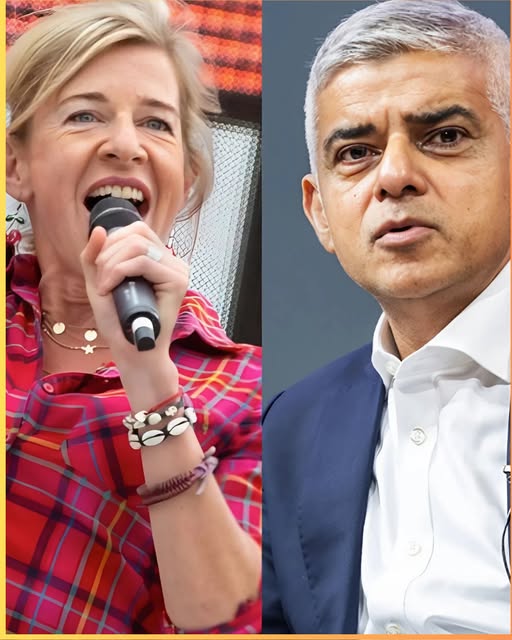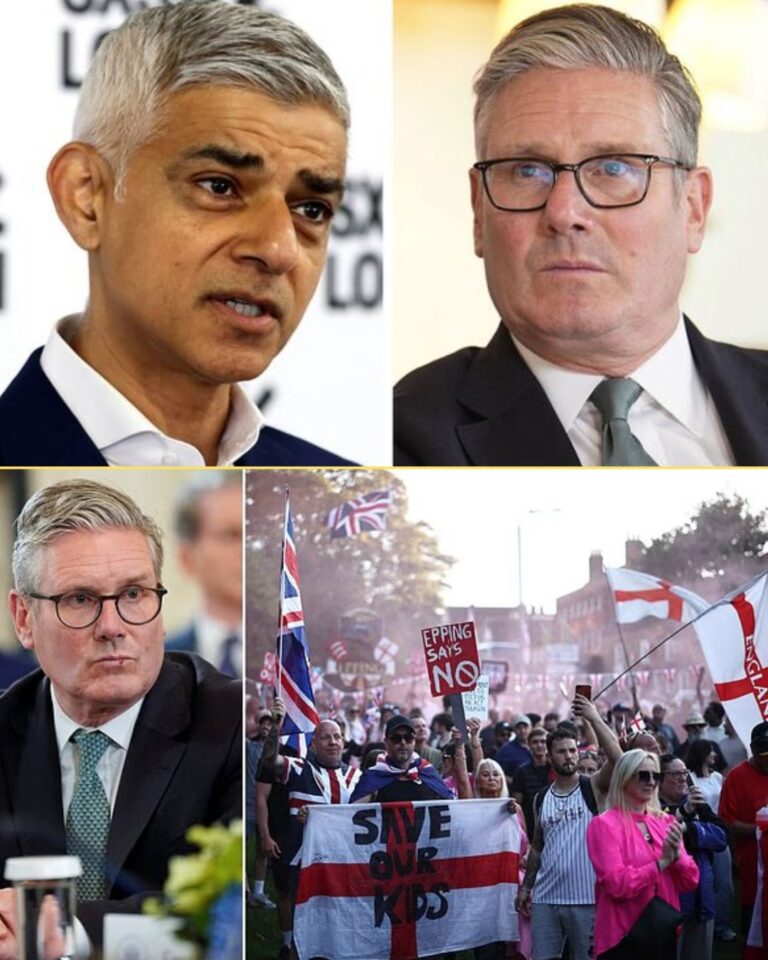
STARMR WALKS BACK INTO PARLIAMENT After Betraying Britons — It Got UGLY FAST!
A Storm Inside Westminster — Starmer Faces Explosive Return as Parliament Erupts in Tension and Accusations
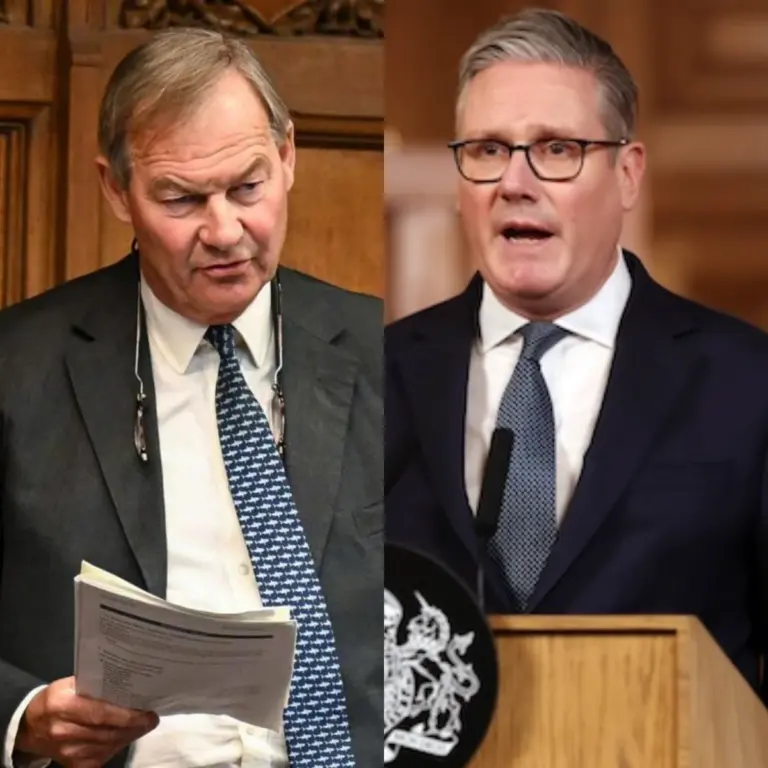
The atmosphere inside the House of Commons shifted dramatically as Keir Starmer stepped back into one of the most scrutinized chambers in modern politics.
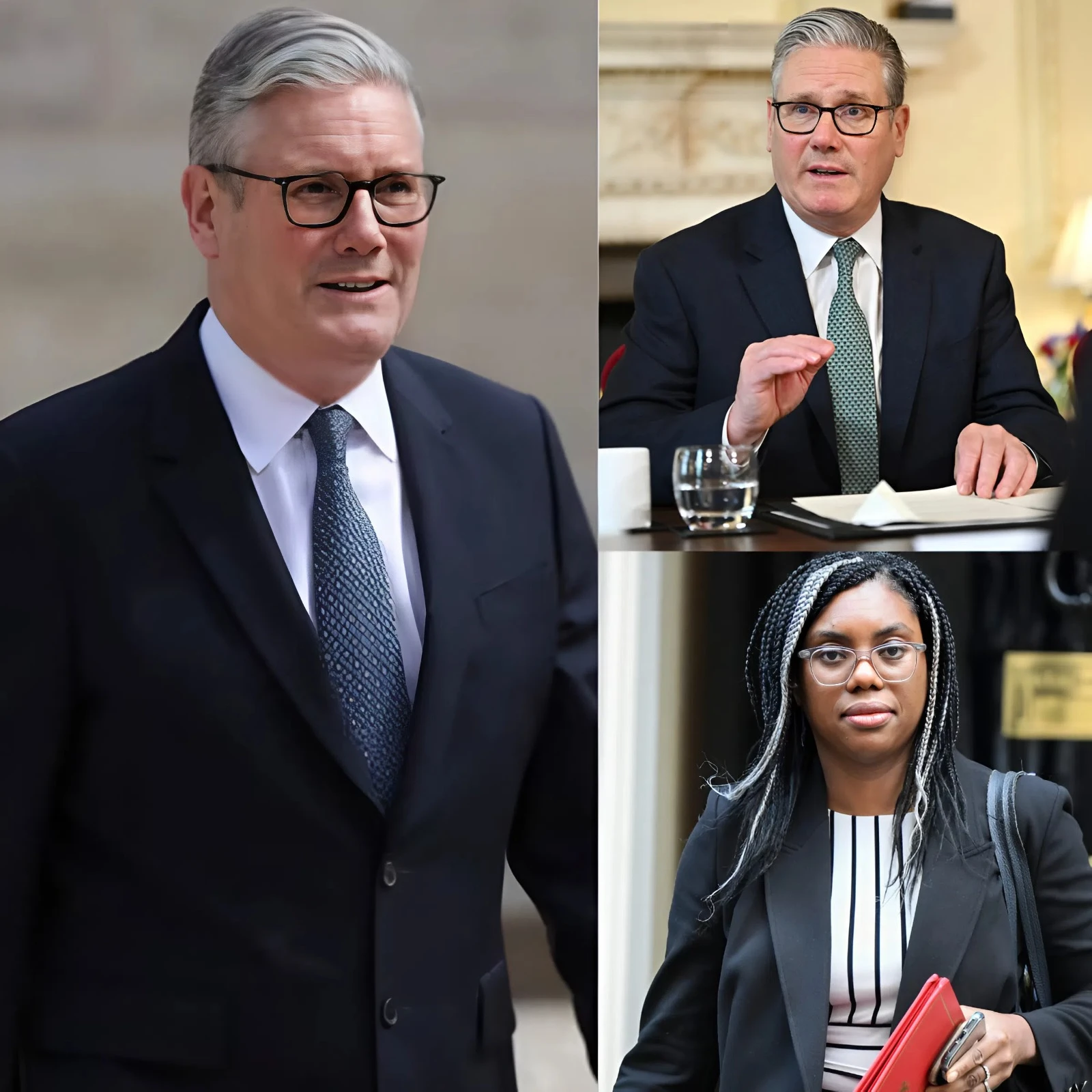
What was expected to be a routine appearance quickly transformed into a moment charged with tension, reflecting deeper divisions that have been building across the political landscape in recent months.
Voices rose, interruptions echoed, and the carefully maintained order of parliamentary procedure seemed to strain under the weight of visible frustration from multiple sides.
Observers described the scene as unusually intense, not because disagreement is rare in Parliament, but because of the emotional force behind the exchanges unfolding in real time.
The reactions directed toward Starmer were not confined to a single issue, but instead reflected a convergence of concerns that have dominated public discussion across the United Kingdom.
Economic pressures, policy decisions, and questions of leadership have all contributed to an environment where political debate feels increasingly urgent and deeply personal.
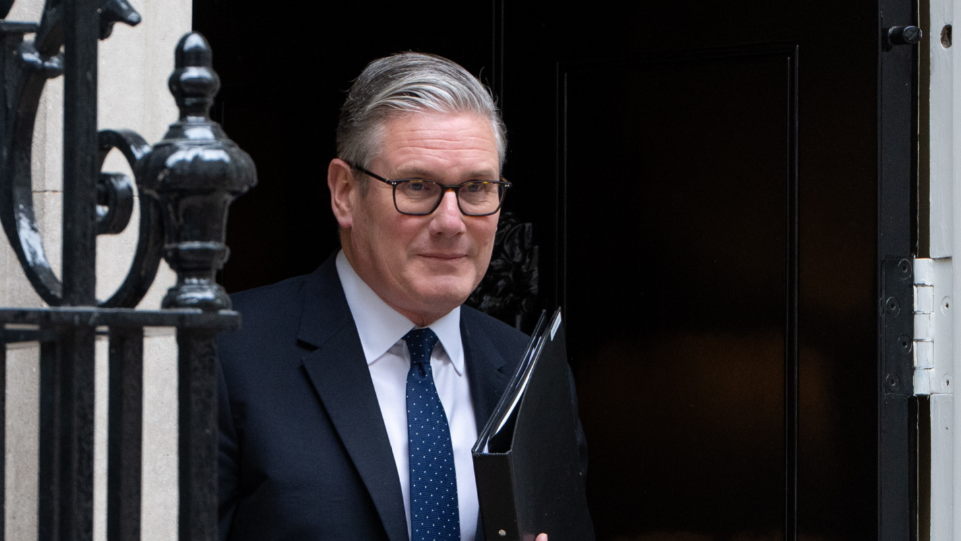
Supporters of Starmer argue that governing in a complex and rapidly changing environment requires difficult choices, some of which may not immediately satisfy all expectations.
They emphasize the importance of long-term strategy, suggesting that short-term criticism may overlook broader goals that require time to materialize.
Critics, however, interpret recent developments differently, expressing dissatisfaction with what they perceive as inconsistencies or departures from earlier commitments.
This divergence in perspective has intensified scrutiny, turning routine parliamentary moments into focal points for broader national conversations.
Inside the chamber, exchanges between members highlighted the depth of disagreement, with pointed questions and forceful responses shaping the tone of the session.
While such exchanges are a fundamental part of democratic processes, the intensity of the moment underscored how high the stakes have become for those involved.
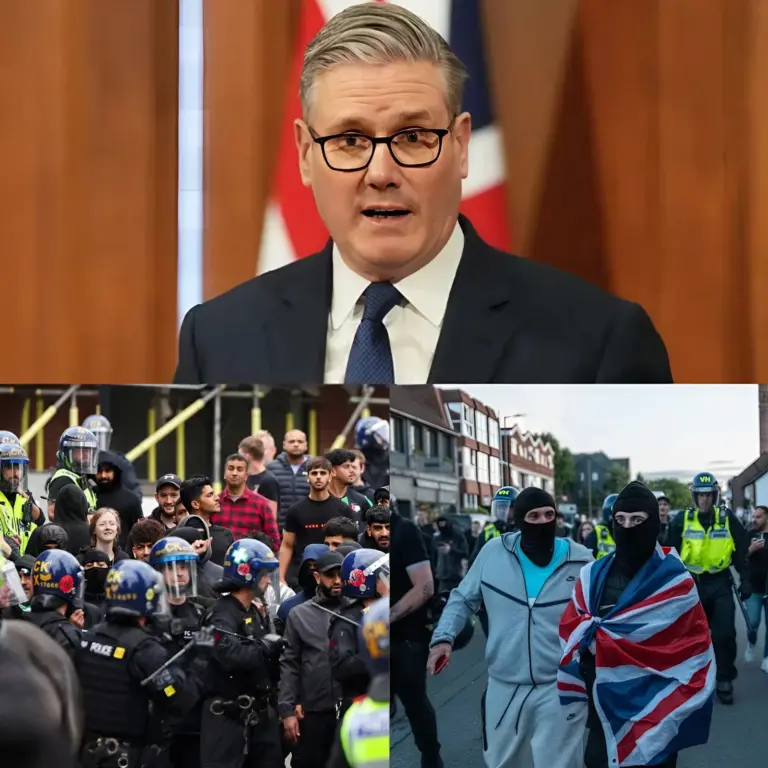
Outside Westminster, public reaction mirrored the energy inside, with gatherings and demonstrations reflecting a wide range of opinions about the current political direction.
Some participants voiced strong support, while others expressed frustration, illustrating the diversity of views that characterize contemporary political engagement.
The presence of these demonstrations added another layer to the situation, connecting the events داخل Parliament with the sentiments expressed in the broader public sphere.
Media coverage captured both the scenes inside the chamber and the reactions outside, amplifying the moment and bringing it to a wider audience.
This coverage plays a significant role in shaping how events are perceived, highlighting certain aspects while inevitably leaving others less visible.
Social media further accelerated the spread of information, with clips and commentary circulating rapidly and contributing to a dynamic and evolving narrative.
In this environment, individual moments can take on symbolic significance, representing broader themes that resonate beyond the immediate context.
For many observers, the return of Starmer to Parliament became one such moment, encapsulating ongoing debates about leadership, accountability, and public trust.
These debates are not new, but they have gained renewed intensity as political and economic conditions continue to evolve.
The question of how leaders respond to criticism is central to this discussion, influencing both perception and potential outcomes.
Some view strong responses as a sign of resilience, while others interpret them as defensiveness, illustrating how actions can be understood in different ways.
The role of opposition voices is also critical, as they contribute to the scrutiny and challenge that are essential components of democratic governance.
At the same time, the tone of these interactions can influence public perception, shaping how political processes are understood and evaluated.
Maintaining a balance between robust debate and constructive engagement is an ongoing challenge, particularly in highly charged environments.
This challenge is not unique to the United Kingdom, but reflects broader trends observed in many democratic systems around the world.
As political discourse becomes more polarized, the ability to navigate disagreement without escalating conflict becomes increasingly important.
The events in Westminster highlight both the strengths and the pressures of parliamentary systems, where accountability and representation intersect in visible ways.
They also raise questions about how institutions can adapt to changing expectations while preserving core principles.
Public engagement remains a key factor, as citizens respond to developments and contribute to the ongoing conversation through various channels.
This engagement can take many forms, from participation in demonstrations to discussions within communities and online platforms.
Each of these forms of engagement plays a role in shaping the broader narrative and influencing how events are interpreted.
The interplay between institutional processes and public sentiment creates a dynamic environment where outcomes are not predetermined but continuously evolving.
In this context, moments of heightened tension can serve as catalysts for reflection and, potentially, for change.
Whether such moments lead to constructive outcomes depends on how they are addressed by those involved and by the broader المجتمع.
As attention remains focused on Westminster, the implications of these events will likely continue to unfold, influencing both immediate discussions and longer-term perspectives.
The challenge moving forward will be to channel the energy generated by such moments into dialogue that contributes to understanding rather than division.
This requires effort from all participants, including political leaders, institutions, and the public, each playing a role in shaping the direction of discourse.
Ultimately, the significance of Starmer’s return to Parliament lies not only in the events themselves, but in what they reveal about the current state of political engagement.
It is a reminder that democratic systems are живые, shaped by the interactions and expectations of those who participate in them.

As the situation continues to develop, it will remain an important point of reference for discussions about leadership, accountability, and the future of political discourse in the United Kingdom.