STRAIT OF HORMUZ IN FOCUS: GLOBAL PRESSURE BUILDS
Starmer travels to Middle East to ‘support and sustain’ ceasefire
The global economic landscape is currently vibrating with a frequency of pure anxiety as the Strait of Hormuz, the world’s most critical maritime chokepoint, becomes the center of a high-stakes diplomatic gamble. While a fragile two-week ceasefire between the United States and Iran has offered a momentary sigh of relief, the reality on the water remains a “tinderbox” of uncertainty that threatens to incinerate the global recovery.
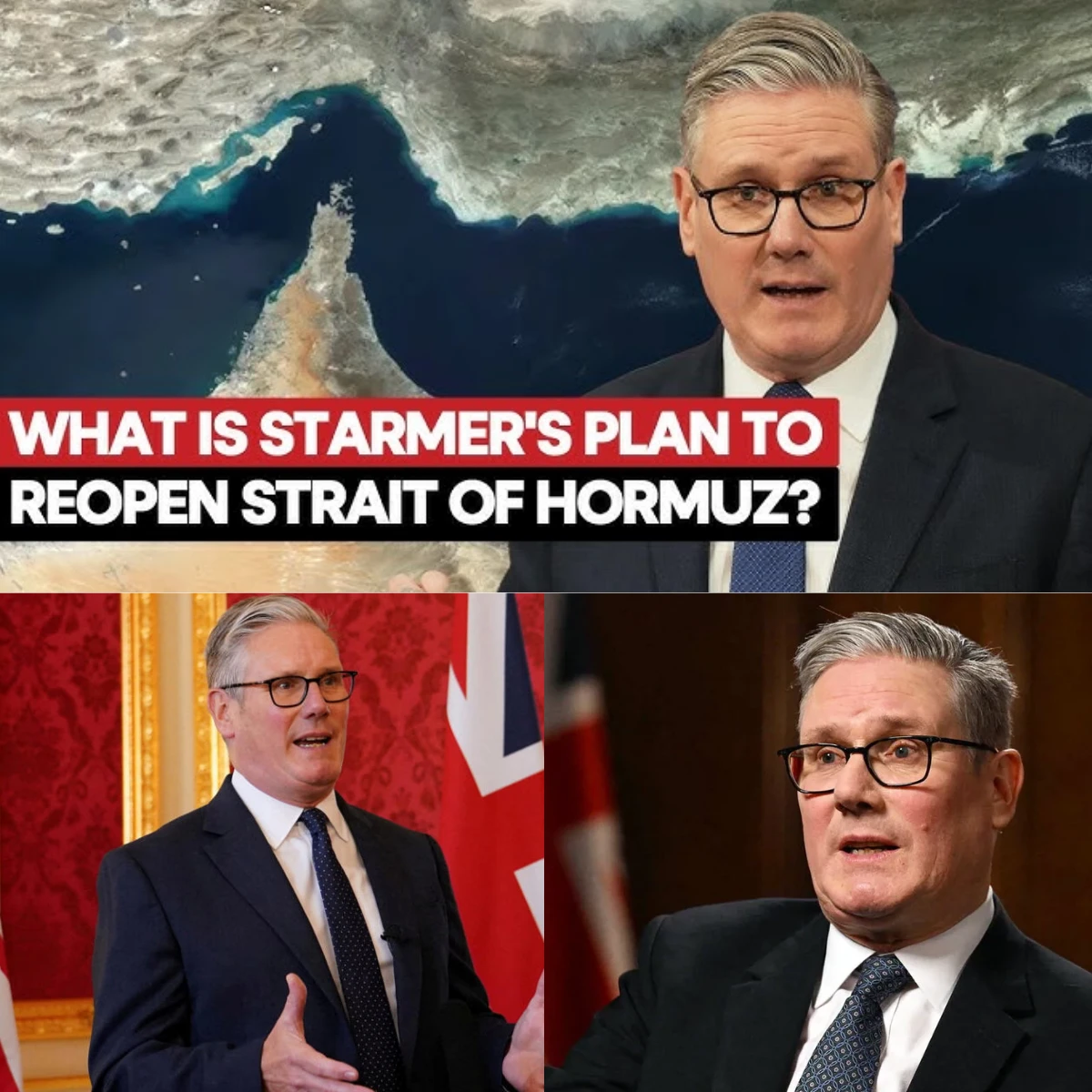
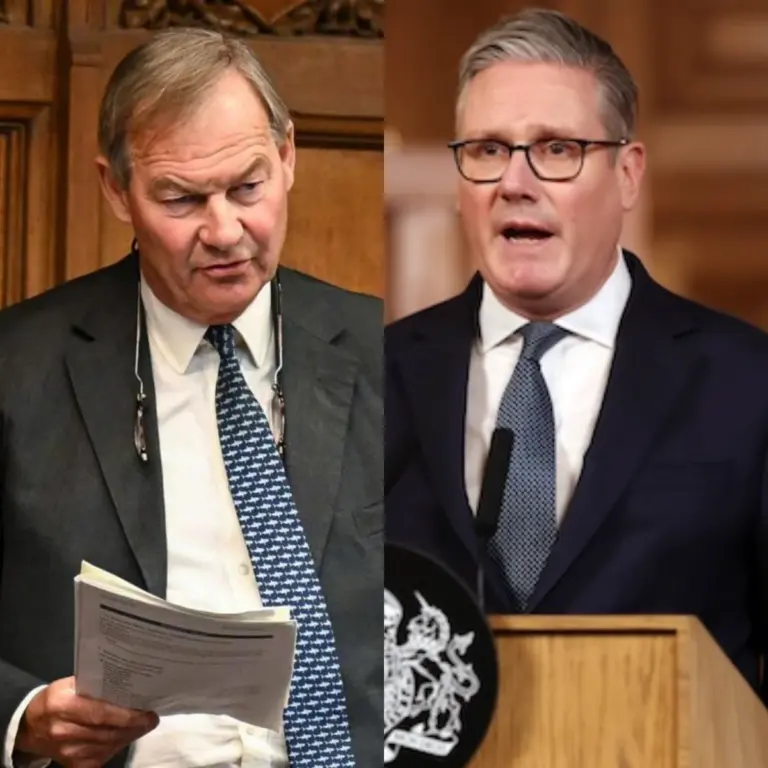
Prime Minister Keir Starmer has touched down in the Gulf, positioning the United Kingdom as the primary architect of a “post-conflict” maritime order, but the challenges he faces are monumental. The establishment in Westminster is desperate to project an image of calm and cooperation, yet the “Iron Truth” is that one-fifth of the world’s oil and gas supply is currently held hostage by a geopolitical standoff that no single ceasefire can permanently resolve.

This isn’t just a distant policy debate; it is a direct threat to the bank accounts of every citizen, as the closure of the Strait has already sent Brent Crude surging past $120 per barrel earlier this year. The “Sticking Plaster” solutions of the past are no longer enough, and Starmer’s push for a “lasting resolution” is being viewed by some as a bold act of leadership and by others as a desperate attempt to avoid a total domestic economic collapse.
The “Two-Week Window” provided by the ceasefire is a race against time, with an estimated 2,000 ships—including massive oil tankers and stranded cruise liners—waiting in a holding pattern like ghosts in the Persian Gulf. Authorities are warning that while the fighting has paused, the “demographic and economic precipice” remains, as Tehran continues to assert control over territorial waters, demanding tolls in cryptocurrency that the West views as a “diplomatic ransom.”

Starmer has been vocal in his opposition to any form of “shipping levies,” directly clashing with the more transactional approach mooted by the Trump administration in Washington. This “widening gap” between the UK and its traditional allies has created a secondary firestorm of debate: should the UK align more closely with the European Union to build “resilience,” or is Starmer’s “fundamental reset” a sign that Britain is losing its influence on the world stage?
The Prime Minister’s insistence that “Israel’s attacks on Lebanon shouldn’t be happening” during this ceasefire period has further polarized the conversation, with critics accusing him of “virtue-signaling” while supporters hail his “moral clarity.” The conflict is no longer just about borders; it is about the “principles” of international law versus the “raw power” of a multi-front regional war that has already displaced millions.
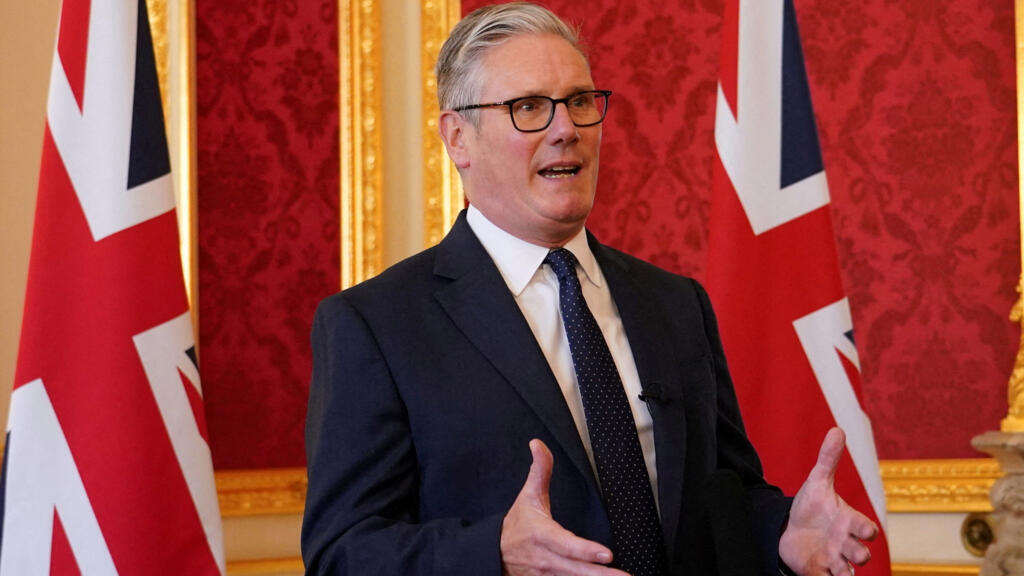
Behind the scenes, the “grocery supply emergency” across the Gulf states serves as a horrifying reminder of how fragile the global supply chain truly is, with food imports disrupted by up to 120%. The “Silent Majority” in the UK is starting to realize that a flare-up in the Strait of Hormuz means empty shelves and skyrocketing inflation at home, making this diplomatic mission the most important test of Starmer’s premiership to date.
“It is our job to work with other countries to get the Strait open,” Starmer declared, but the “Practical Plan” he is convening remains a mystery to a public tired of bureaucratic stagnation. The digital town square is currently a battlefield of competing narratives, with some praising the “Coalition of the Willing” for its de-escalation efforts and others fearing that the ceasefire is merely a “reloading period” for an even more “explosive” confrontation.
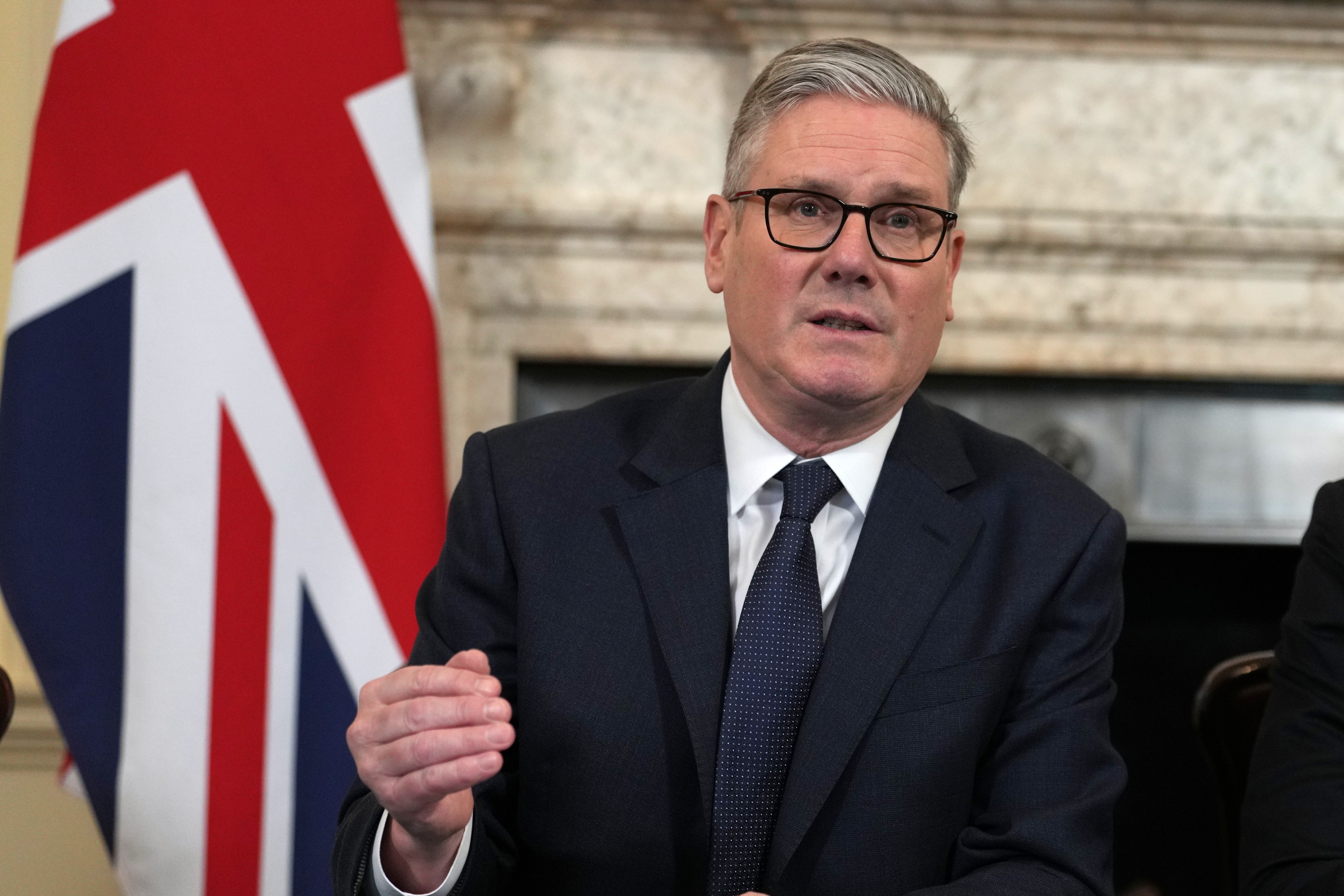
Analysts are calling the current disruption the “largest supply disruption in the history of the global oil market,” surpassing even the energy crises of the 1970s. The “Strait of Hormuz in Focus” is not just a headline; it is a “line in the sand” for a generation that has survived Brexit, Covid, and Ukraine, only to find itself on the brink of a total systemic reset caused by the “2026 Iran War.”
The footage of the Prime Minister meeting with regional leaders in Jeddah and Bahrain has been shared millions of times, as voters look for any sign that the “Great Betrayal” of their economic security is coming to an end. However, the “Hormuz Toll” and the “Lebanon Question” remain the two “poison pills” that could kill the ceasefire before the two-week deadline even expires.
Every share of this update is a demand for transparency in an era where “digital censorship” and “managed narratives” are the norm. The world is watching to see if Keir Starmer can actually “re-open the veins of global trade” or if he is simply presiding over the funeral of the old economic order.
The “Invisible Lines” of global diplomacy have been obliterated, and the “Strait of Hormuz” has become the ground zero for the next decade of geopolitical survival. Whether you believe in the “power of cooperation” or the “necessity of strength,” there is no denying that the fallout from this week will define the “national interest” for a generation.
The “Truth Bomb” of the 2026 energy crisis is that we are all interconnected, and a single mistake in a 39-kilometer-wide waterway can trigger a “cultural radiation” that reaches every corner of the planet. Follow the link in the comments for the “full overview” of the shipping lanes and the “hidden data” that the mainstream media is too afraid to discuss in full.
This is more than a news update; it is a “declaration of awareness” for a public that refuses to be kept in the dark about the forces shaping their future. The “Strait of Hormuz” is in focus, and the “global pressure” is only just beginning to build toward a climax that will change the map of the world forever.
Do not be the last to know the “horrifying truth” of the economic stakes or the “unfiltered” reality of the diplomatic standoff that is currently tearing the international consensus in two. The “Earthquake” has already started, and Keir Starmer is standing right at the epicenter, trying to hold the world together one handshake at a time.